
Interior materials in 2026: durability, repair and circular design
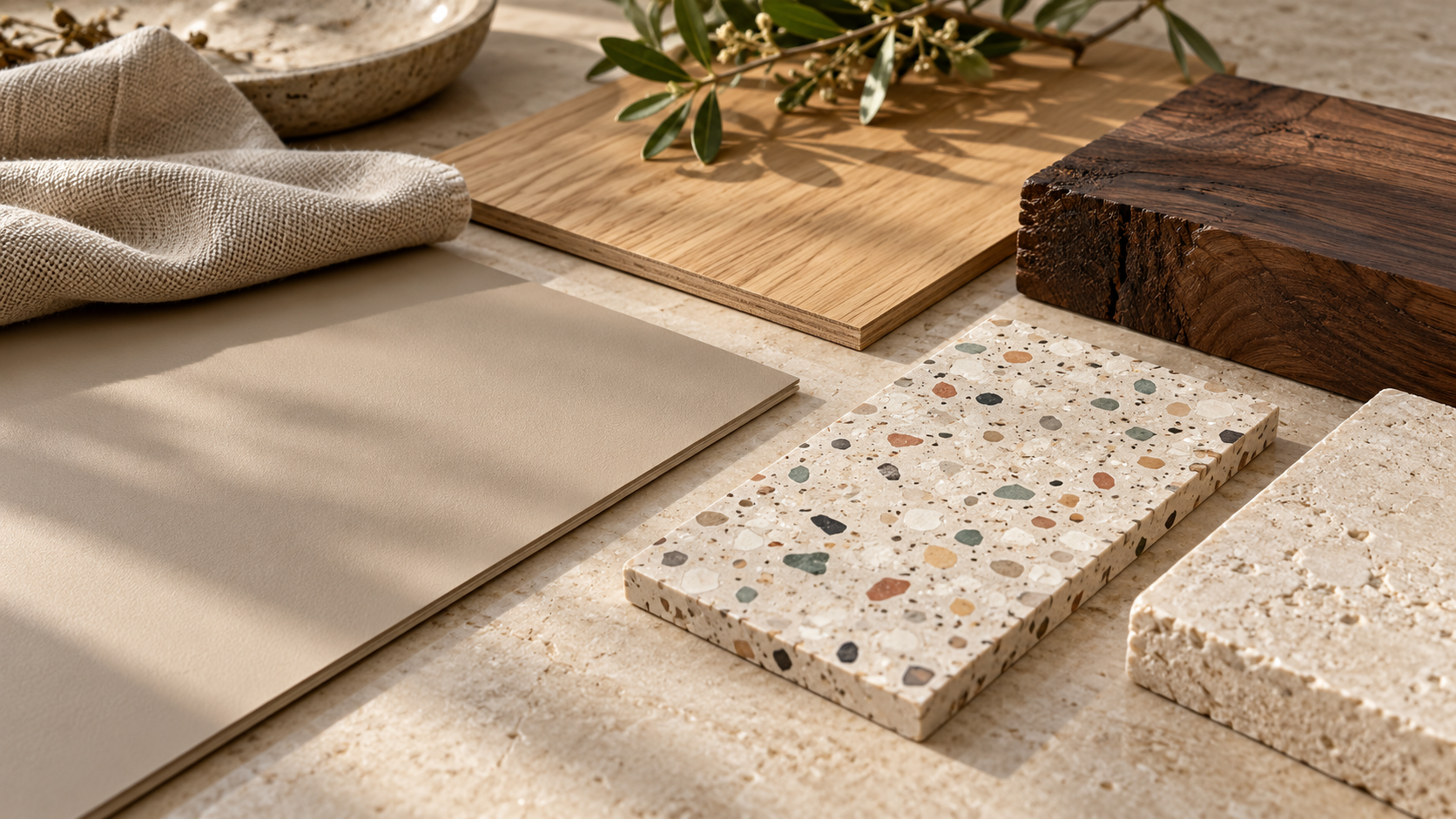
A beautiful interior starts with materials that feel right. A lasting interior also depends on how those materials withstand use, how they are maintained and what happens when the space changes. For anyone choosing interior materials in 2026, these questions deserve a place alongside colour, texture and price.
The Salone del Mobile.Milano 2026 programme placed materials, processes and supply chains at the centre of its discussion of circular design. This is a useful starting point: innovation can mean a new surface, but it can also mean a familiar material used more carefully.
Closer to home, Feria Hábitat València’s September 2026 coverage of Andreu World’s Manufacturing the Future exhibition highlighted recycled polymers, textiles and material innovation. The interesting question is how these developments translate into durable, maintainable interiors.
1. Look beyond the recycled-content label
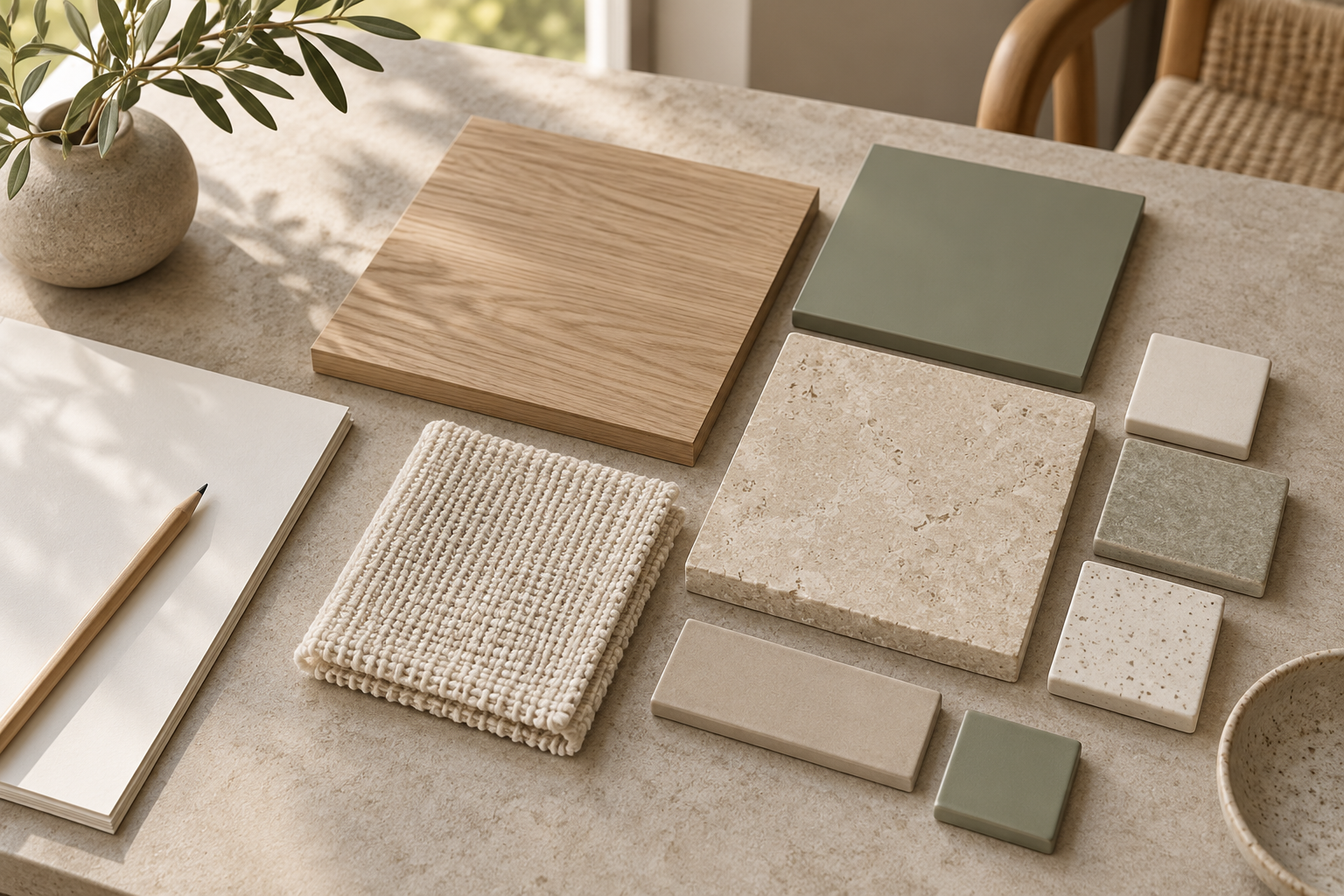
Recycled content tells us something about a material’s ingredients. It does not, on its own, tell us how long the finished surface will last or whether it can be recovered after installation. The substrate, adhesive, finish and fixing method all deserve attention.
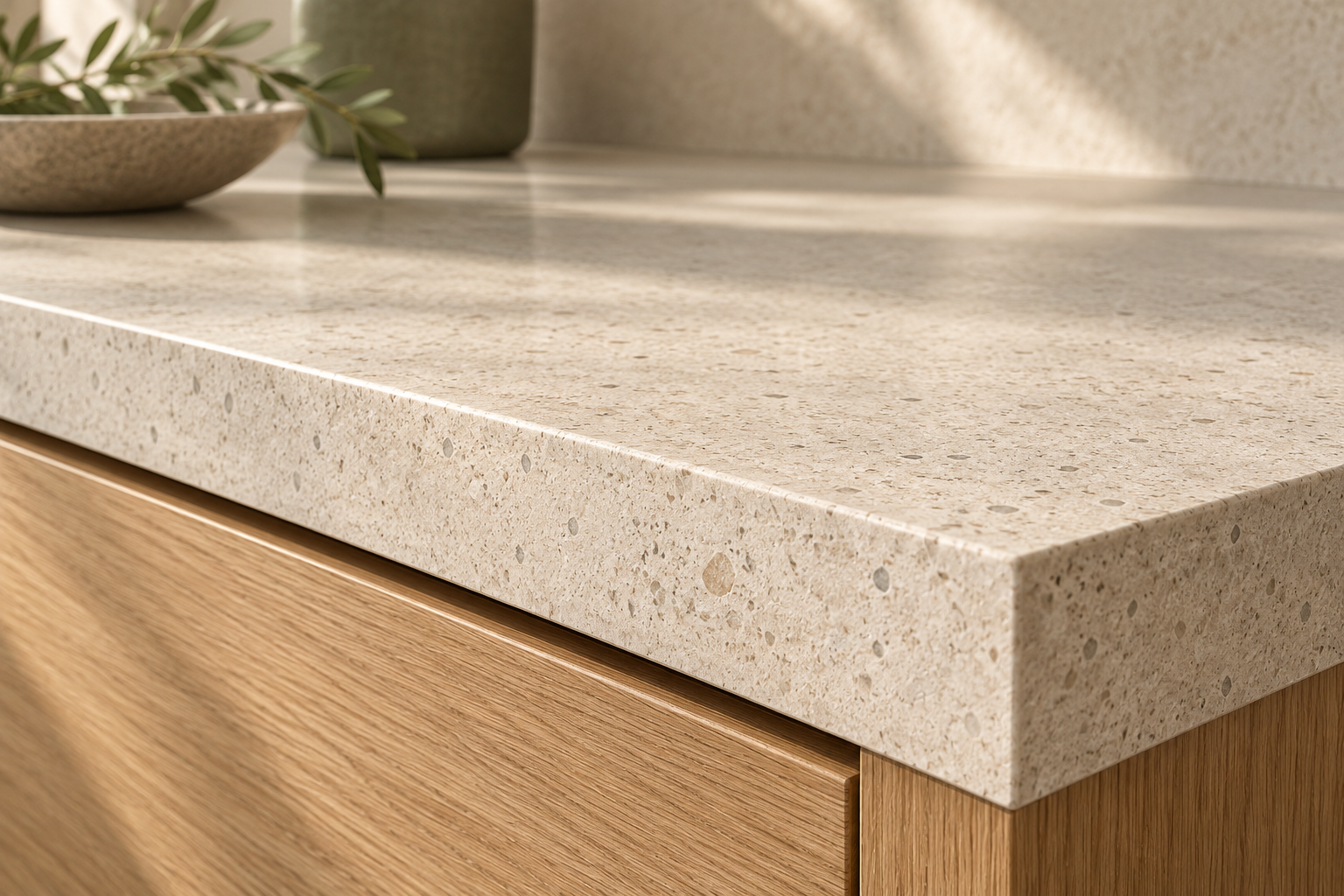
One example is Silestone manufactured with Hybriq+ technology, for which Cosentino declares a minimum of 20% recycled material. That figure is a useful specification detail, rather than a complete environmental assessment. For a particular project, we would still check the selected product’s technical information, maintenance requirements and suitability for its intended use.
2. Recycled panels with their own visual character
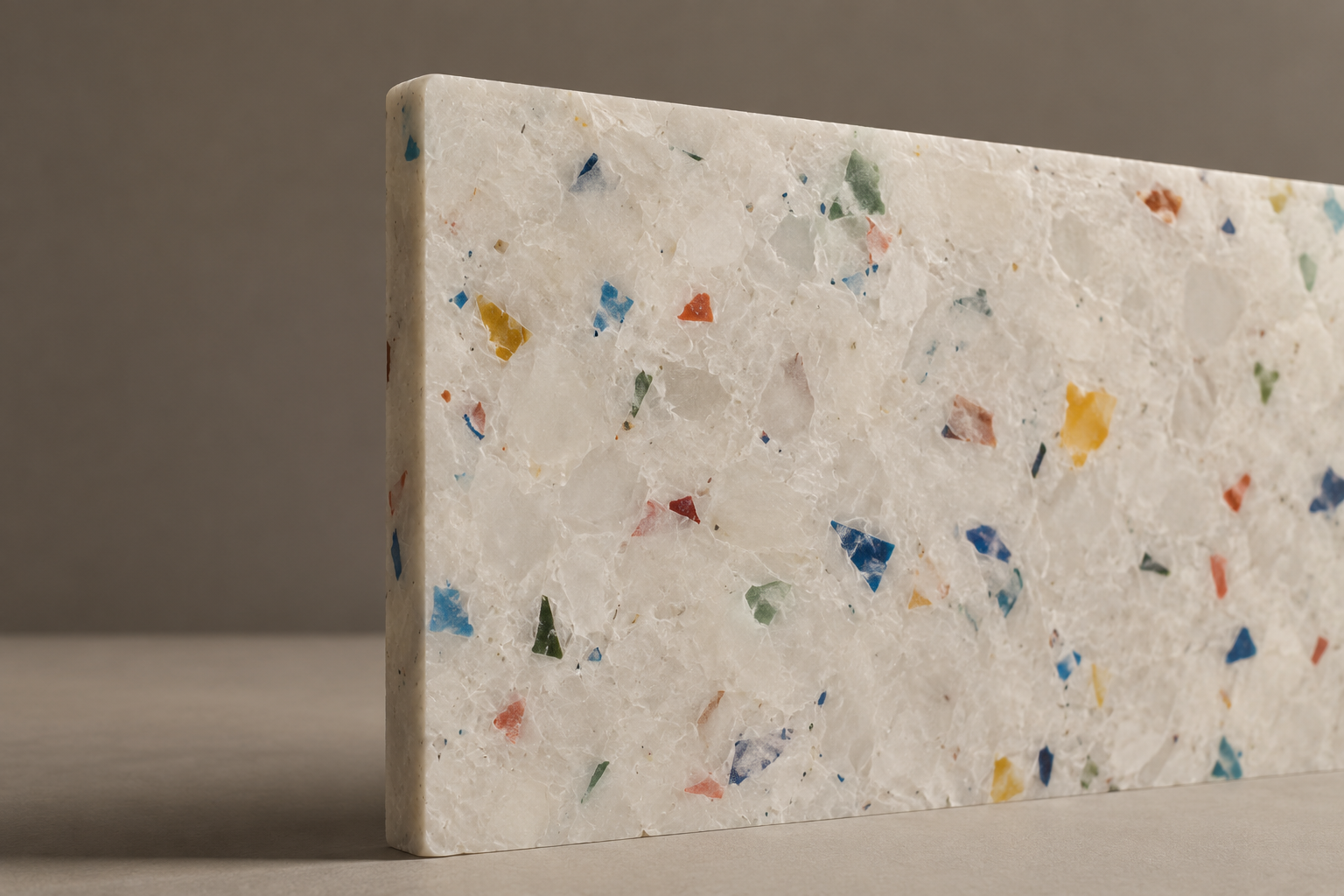
Recycled materials can become part of a space’s identity. Smile Plastics describes its decorative panels as 100% recycled and recyclable. Their patterns offer a different starting point for furniture and interior features, with variations that should be considered when selecting samples and planning the layout.
The practical question is what happens next. A recyclable panel needs a viable collection and processing route. Before specifying it, ask how it can be removed, who will accept it and which conditions apply. A recoverable material is more useful when the entire assembly has been designed with recovery in mind.
3. Tactile, matt surfaces for everyday use
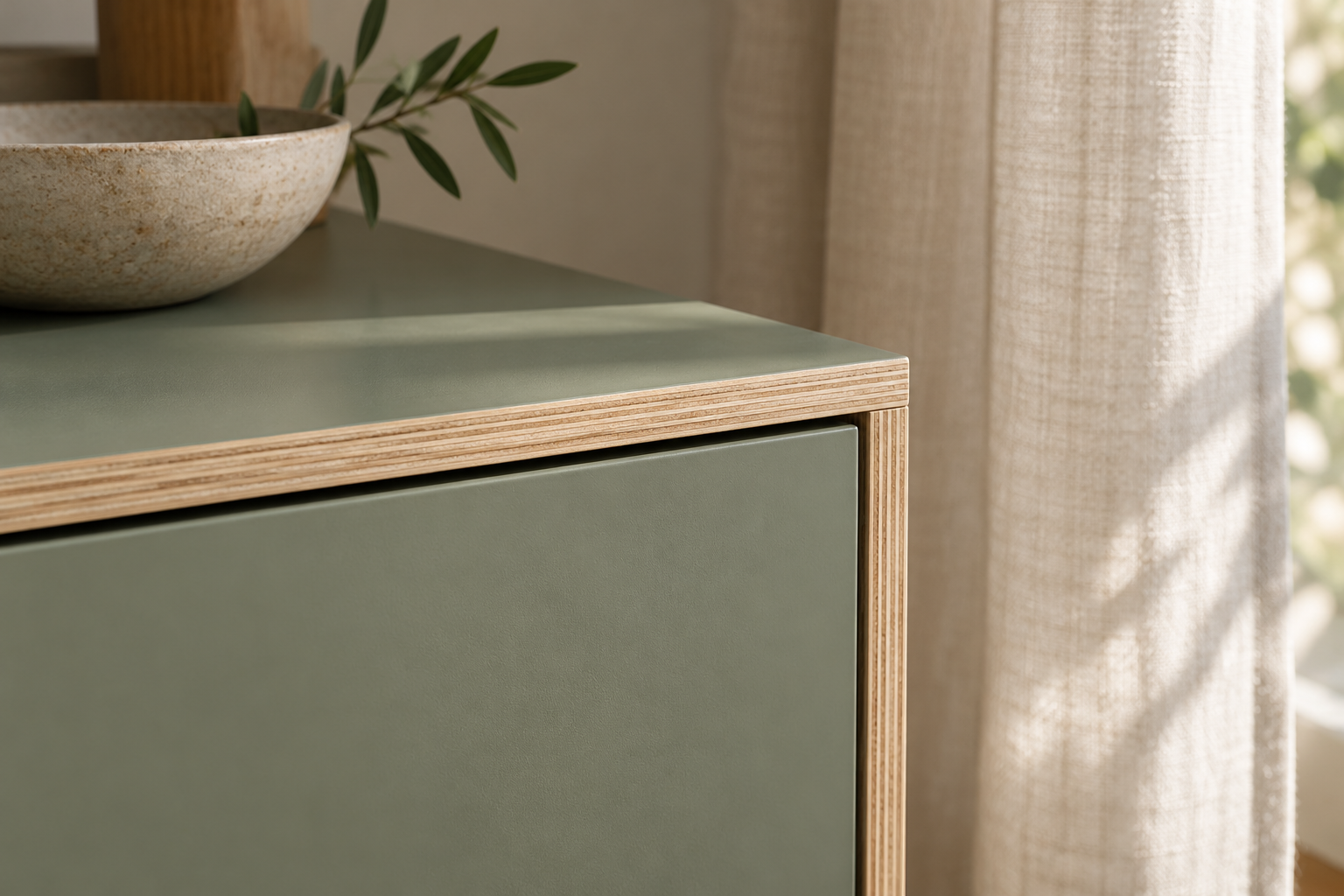
Materials made with natural ingredients can also offer contemporary design possibilities. Forbo Furniture Linoleum, for example, is a furniture surface with a matt finish; the manufacturer reports 94% natural raw materials. Its applications include furniture and cabinet fronts.
Natural content is one consideration, alongside resistance to wear, cleaning and the edges of the finished piece. A sample should be assessed under the actual lighting, with the adjacent materials and the intended pattern of use. A desk, a reception counter and a kitchen front do not face identical demands.
4. Design for maintenance, repair and disassembly
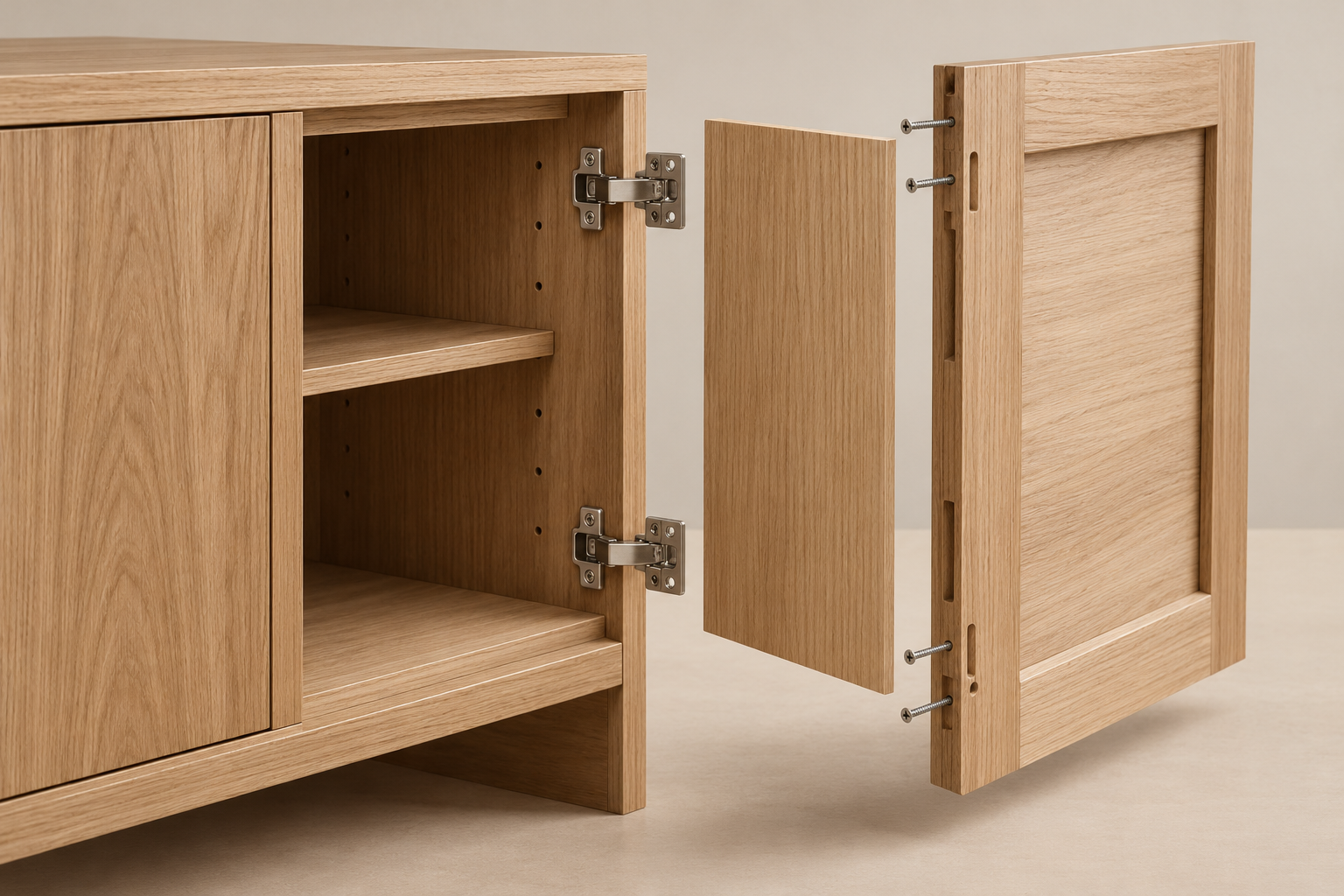
The most useful material choice may be the one that allows a damaged component to be replaced without dismantling everything around it. Accessible fixings, replaceable fronts and a small reserve of matching material can make future interventions easier.
Take-back programmes are another part of this discussion. Interface’s ReEntry programme considers reuse, recycling or recovery for used flooring. Availability and acceptance conditions need to be checked for the project location; a programme should never be assumed to cover every product or installation.
5. Compare materials before committing to them
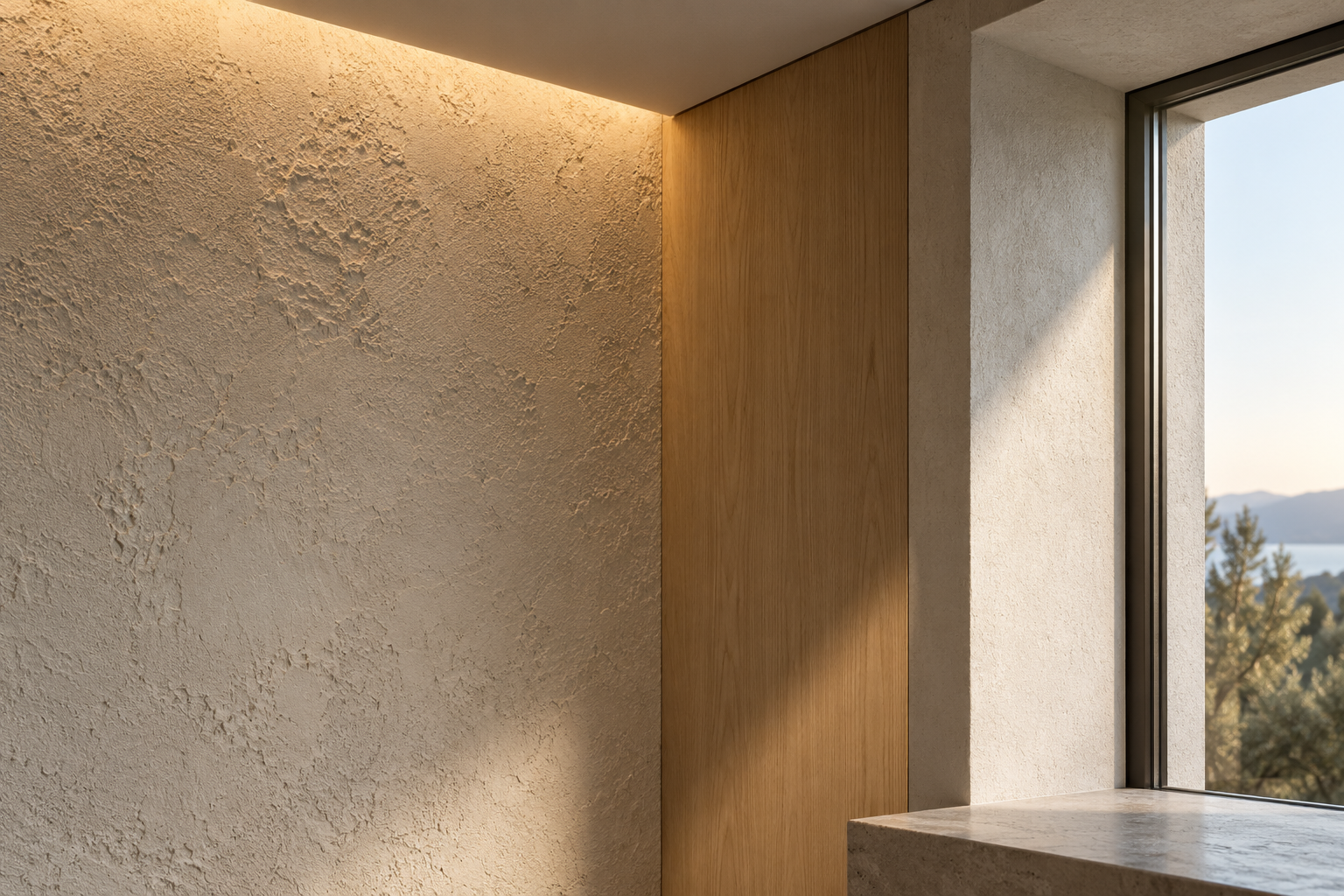
At WDCA, interior design and visualisation help communicate how finishes work together. Plans, rendered elevations and 3D views can explain junctions, proportions and the relationship between materials and light. Physical samples remain essential for assessing texture, sheen and colour in person.
For a balanced selection, compare the intended use, maintenance, repair options, available documentation and overall installed cost. An Environmental Product Declaration can support that comparison, provided its scope and assumptions are understood. It is not a blanket certificate that a product is the best choice.
Questions worth asking
Is a recycled material always the better option?
No. The answer depends on performance, service life, installation, transport and what can realistically happen at the end of its use.
Can circular design work in a refurbishment?
Yes. Start by assessing what can stay, be repaired or be adapted before choosing replacements.
Does a render replace a material sample?
No. Visualisation supports design decisions; samples and technical specifications help validate them.
Keeping up with materials means understanding their possibilities and asking the right questions before specifying them. Explore our interior design and visualisation projects to see how we communicate those decisions.
Editorial references consulted in October 2026: Salone del Mobile.Milano, Feria Hábitat València, Cosentino, Forbo, Smile Plastics and Interface. Product figures are manufacturer declarations. The examples are references, not a claim that WDCA has used these products in completed projects.